During development, various signaling cascades culminate in the activation of key transcription factors and chromatin remodeling enzymes, which collectively establish and/or maintain gene expression programs controlling cell identity.
The Jothi Lab is interested in understanding how transcription regulators and epigenetic modifications regulate gene expression programs during cellular development and differentiation. The group uses integrative interdisciplinary approaches—merging systems and molecular biology, and functional genomics—to map, reconstruct, and characterize gene networks that control fundamental biological processes ranging from transcription and signal transduction to cellular response to changes in the environment.
The group primarily uses embryonic stem cells (ES cells) as a model system to unravel complex gene networks controlling cell identities. ES cells can self-renew indefinitely and can differentiate into all derivatives of the three germ layers, attributes that make them an attractive model for regenerative medicine, disease modeling, and drug and toxicity testing. Successful development of ES cell-based therapies not only depends on our understanding of the genes and pathways that constitute the genetic network governing ES cell homeostasis, but also the mechanisms that maintain the intricate homeostatic balance between self-renewal and differentiation.
The pluripotent state of ES cells depends upon the coordinated activity of master transcription factors, key signaling pathways, and epigenetic features that include DNA methylation and histone modifications. Although many key determinants of ES cell identity have been identified, it is not fully clear how ES cells maintain a stable program of self-renewal while also allowing alternate gene expression programs to induce differentiation. Mechanisms that coordinate the activities of master regulators, signaling pathways, and epigenetic features remain poorly understood, owing largely to incomplete characterization of the genetic network underlying ES cells.
To better understand the genetic network governing ES cell self-renewal and differentiation, the group uses interdiscplinary approaches to generate testable hypotheses. The group's research program is made up of two components: computational and laboratory. Research within the group, for the most part, is data-driven, through computational analyses of published and in-house-generated heterogeneous high-throughput genomic/proteomic datasets with the goal of generating testable hypotheses. The laboratory component of the research program provides the means to not only test some of the hypotheses that come out of computational analyses, but also to perform biochemical experiments to gain mechanistic insights. Over the years, the group has successfully identified and characterized many genes with previously unknown roles in ES cell biology.
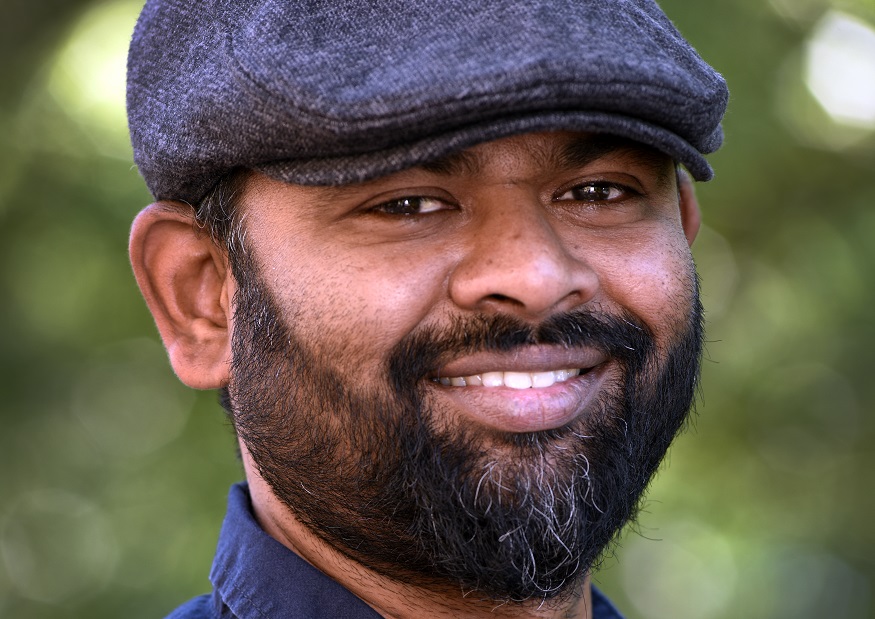
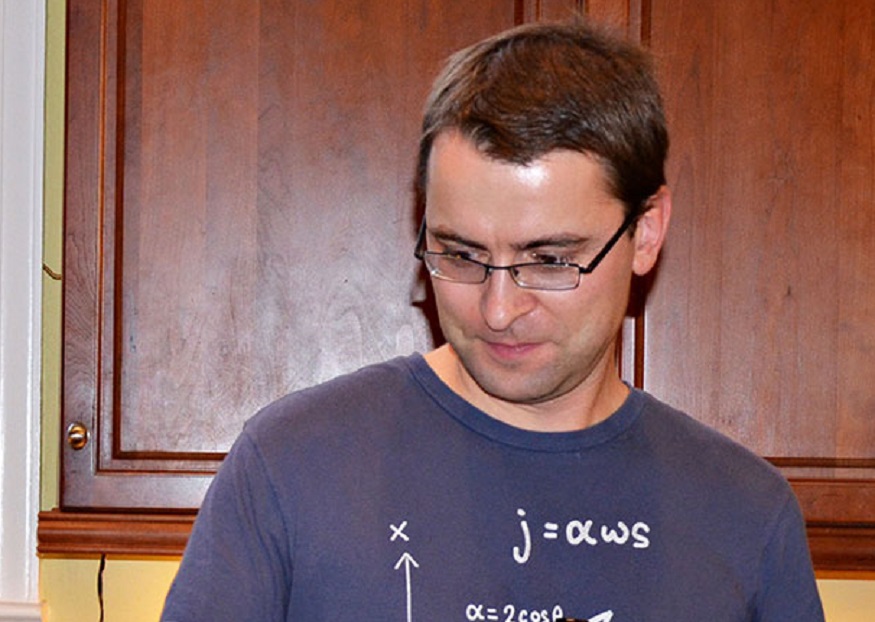
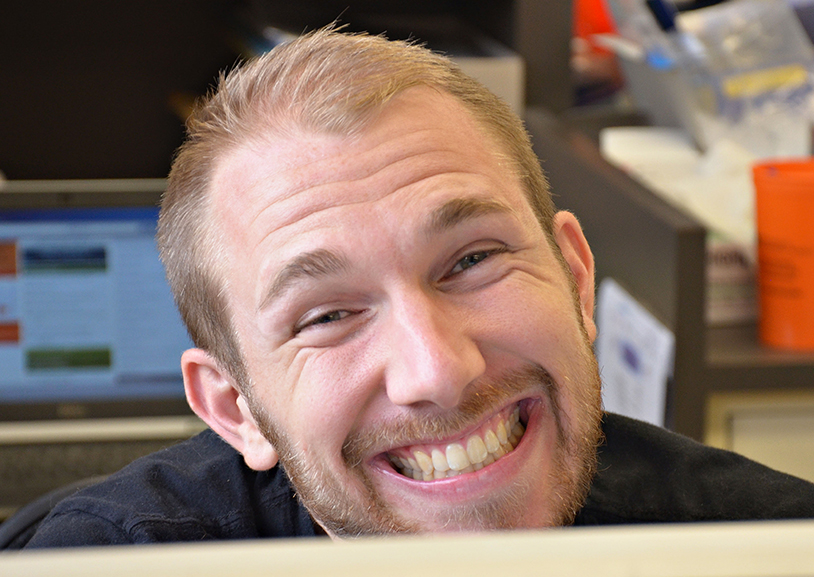
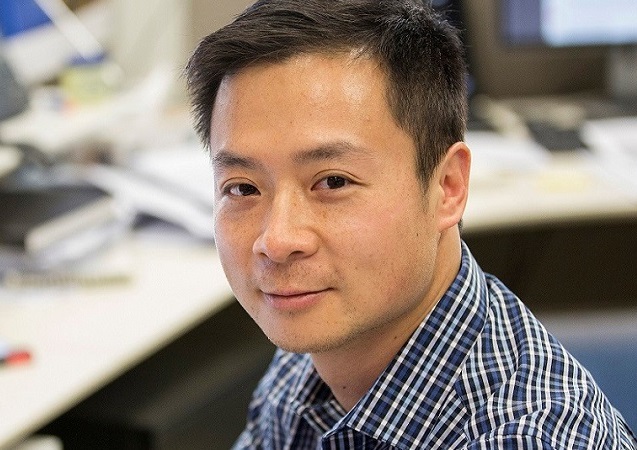
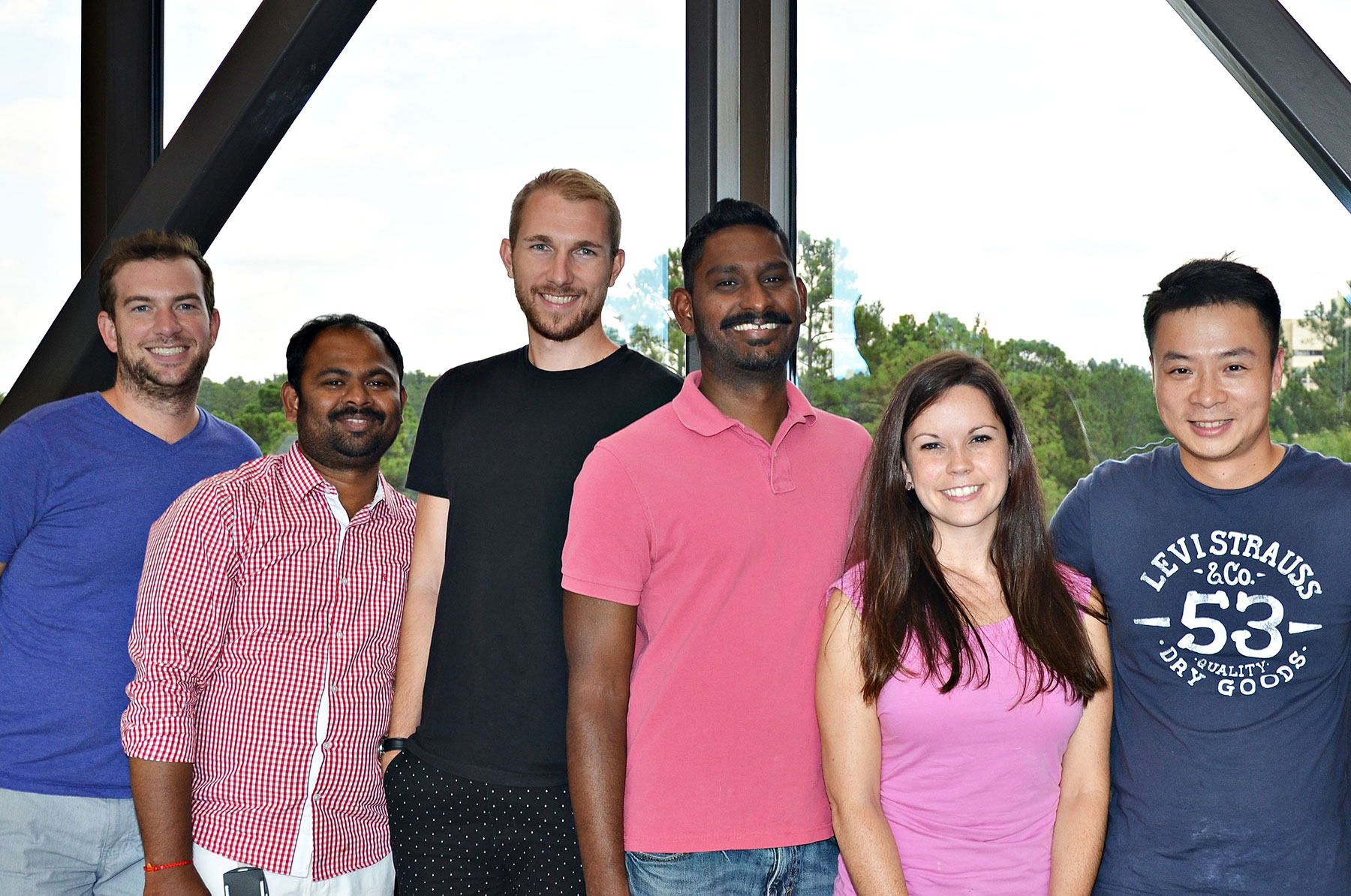
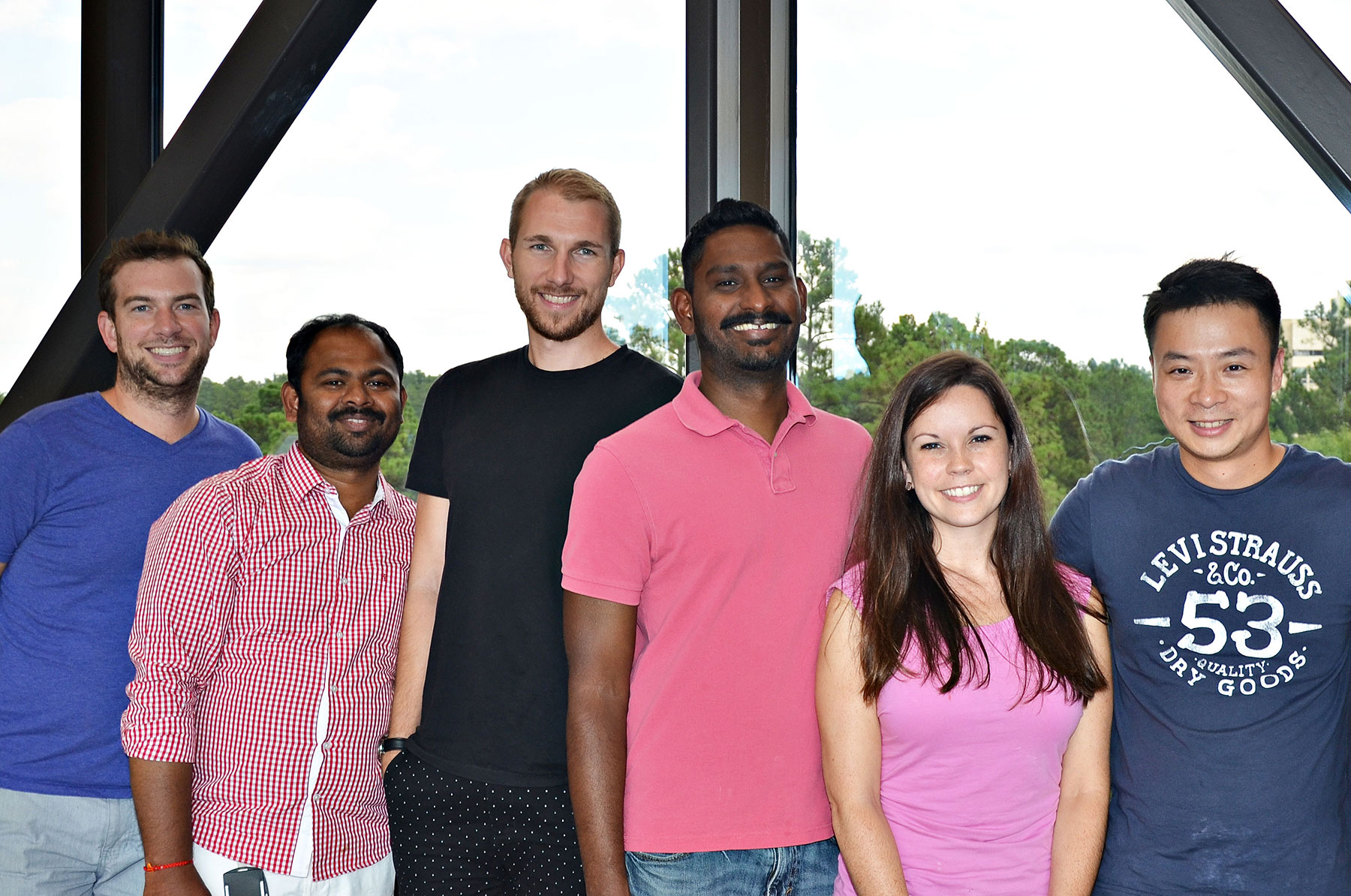
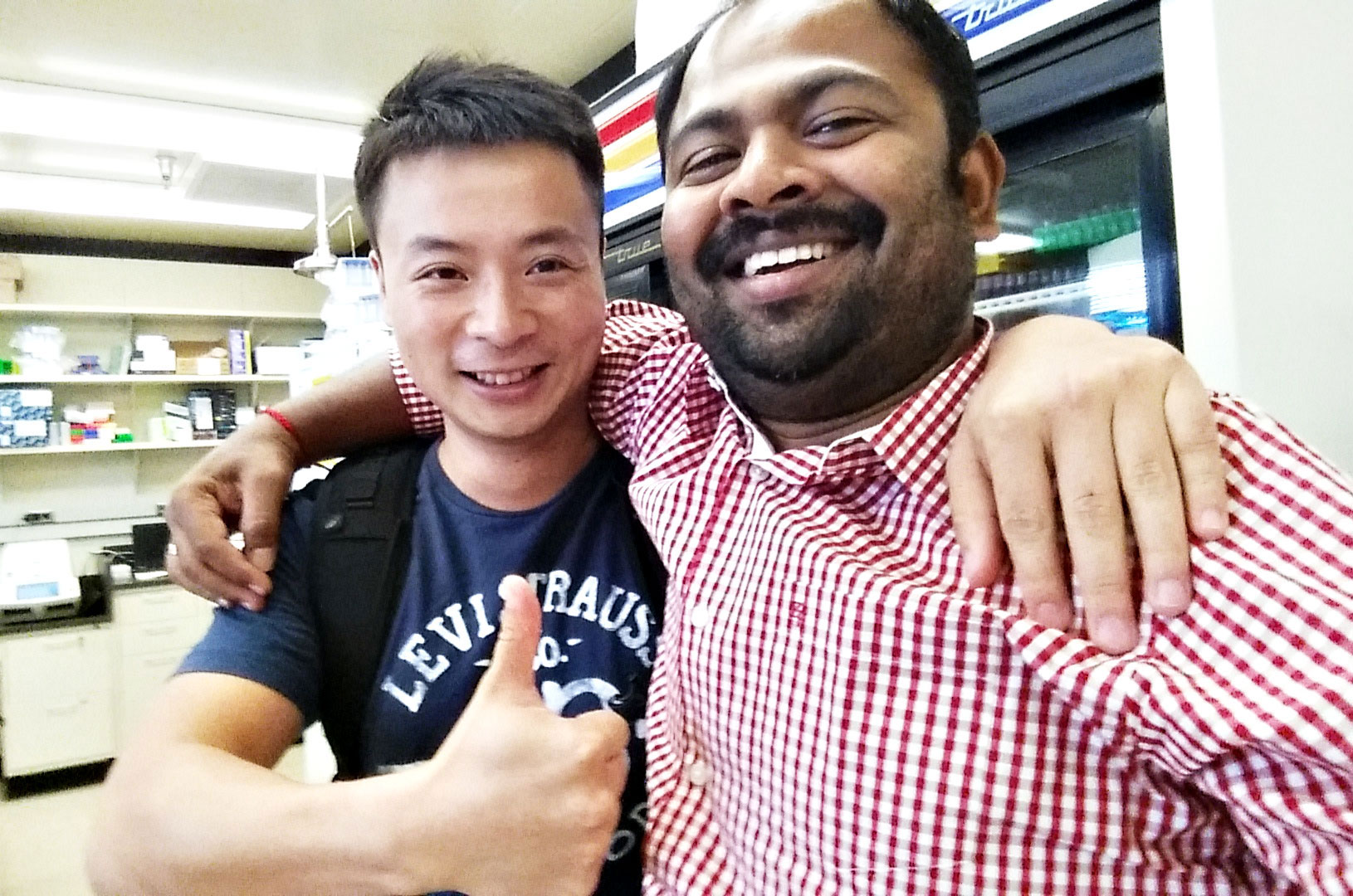
Senthil (a.k.a Kumi) studies transcriptinal and epigenetic control of cell fate decisions. He obtained his Ph.D. from the University of Madras. Before joining the lab, he was a postdoc in Gary Stein lab at UMass Medical School. Prior to that, he was a postdoc with Suk-Chul Bae at Chungbuk National University in South Korea.
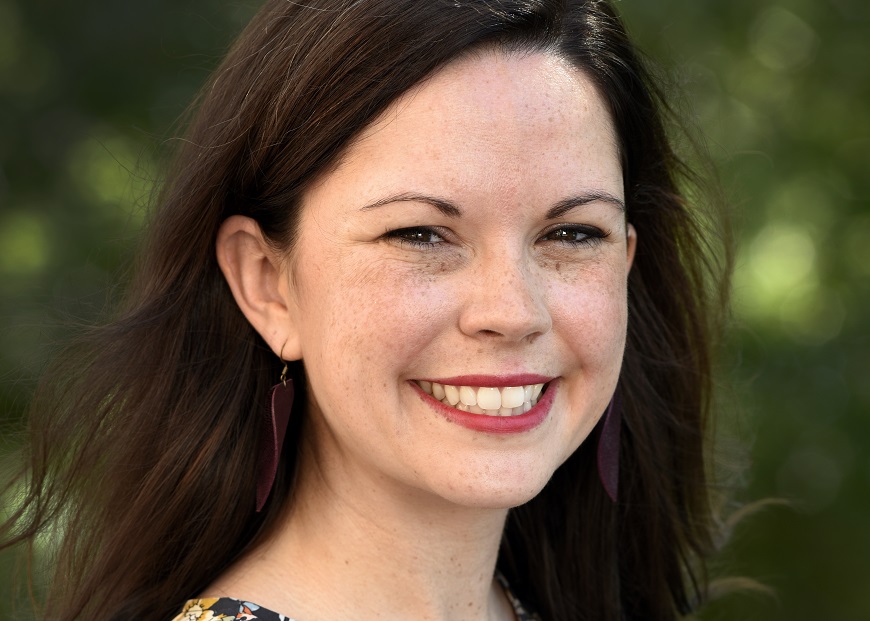
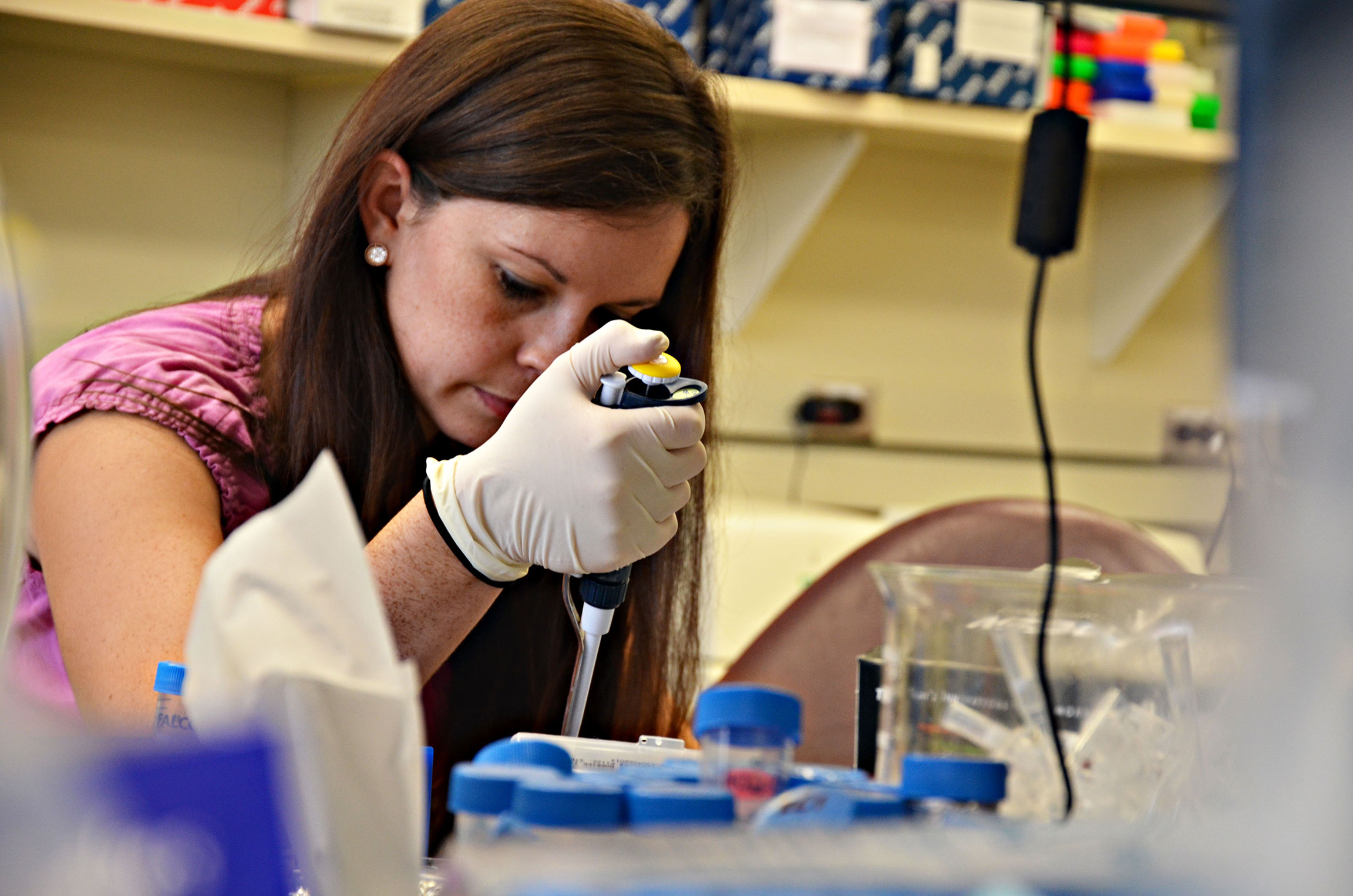
Amanda (a.k.a. Mandy) uses embryonic stem cell as a model system to investigate the role of nuclear export protein CRM1 in developmental gene regulation. She received her Ph.D. from Duke University for her work on CRM1 in CALM-AF10 Leukemias.

Raja is interested in understanding how transcription regulators and epigenetic modifications regulate gene expression programs during development and cellular differentiation. He received his Ph.D. in computer science from the University of Texas at Dallas.
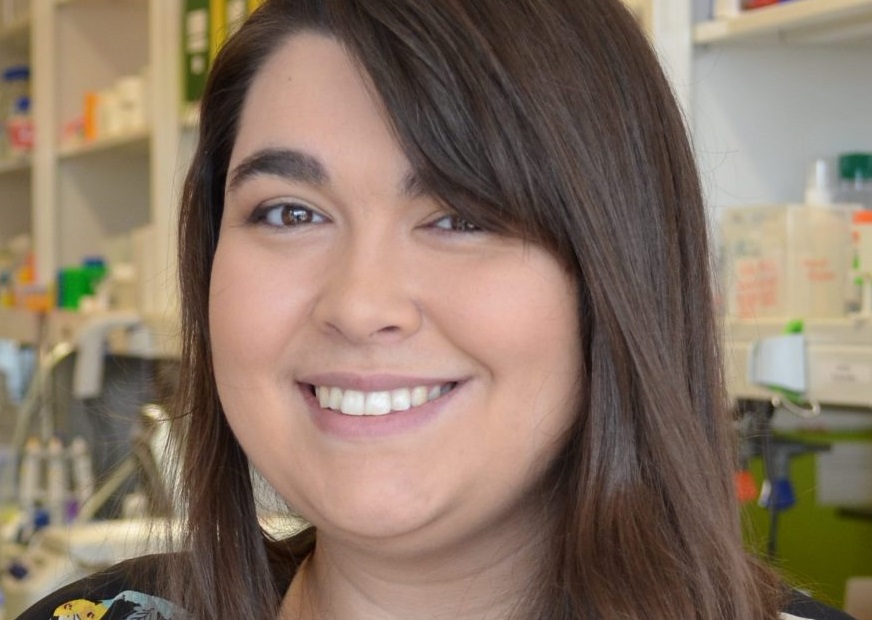
Megan is investigating mechanisms underlying recruitment of nuclear export protein CRM1 to chromatin during early embryonic development. She received her Ph.D. in Genetics & Molecular Biology from the University of North Carolina at Chapel Hill.
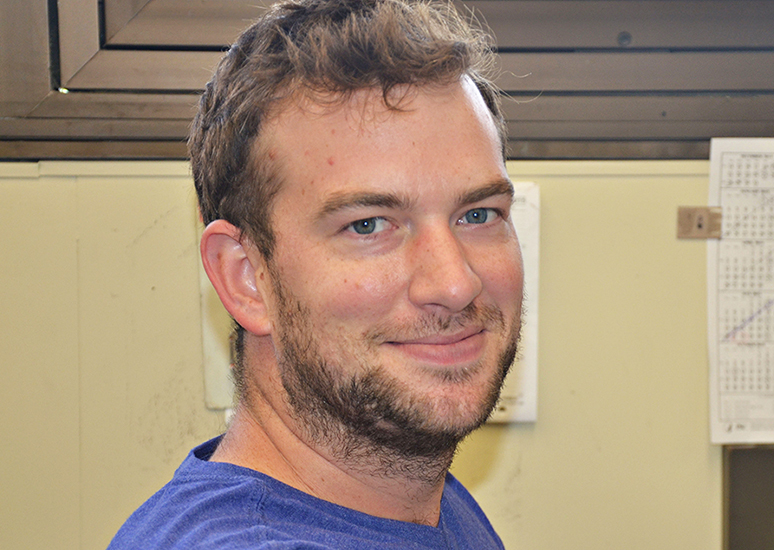
Justin provides scientific and technical support to trainees in the Jothi Lab. He oversees lab operation and animal studies. He received his Bachelors degree from the NC State University and and his Masters degree from the University of Pennsylvania.
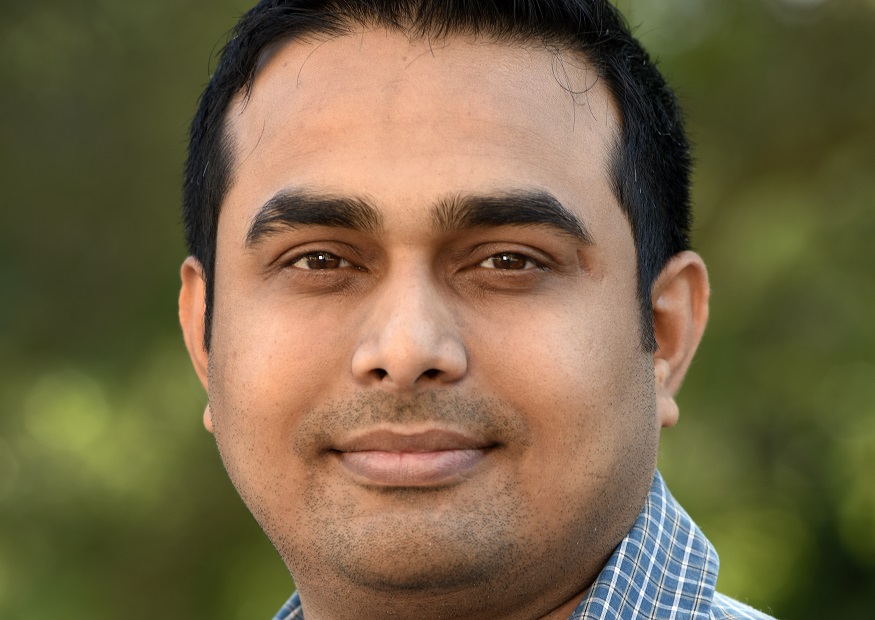
Dhirendra (a.k.a. Dee), a computational biologist, is interested in understanding the functional significance and determinants of bivalent chromatin. Dee received his Ph.D. in Biotechnology from CSIR-Institute of Genomics and Integrative Biology and University of Pune, India
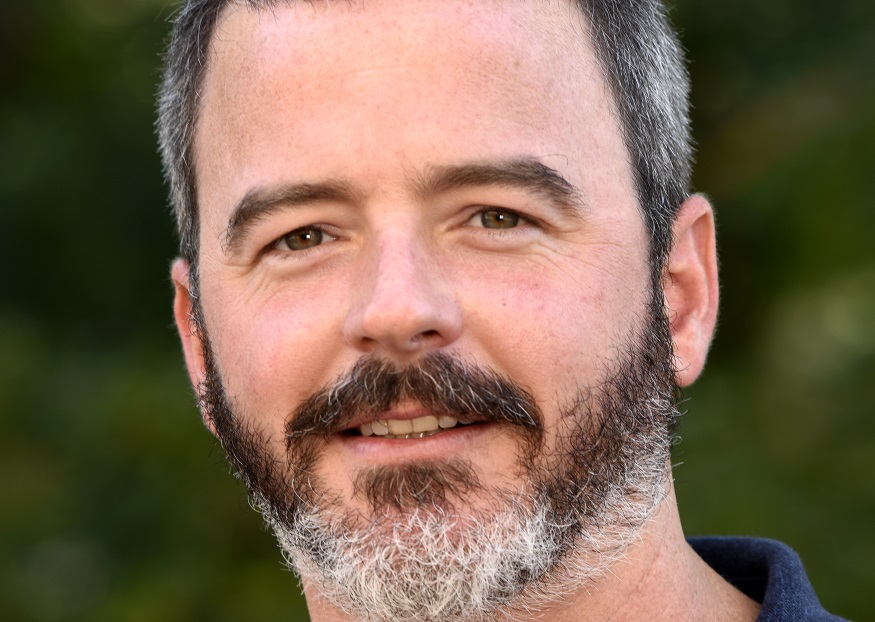
Assistant Professor, Tulane University
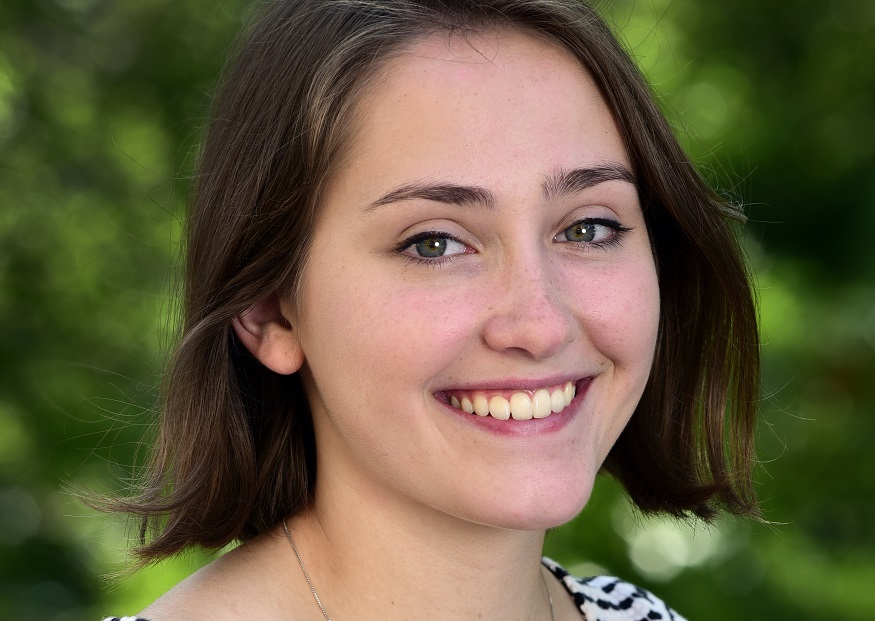
M.D.-Ph.D. Student @ Medical University of South Carolina
.

Postdoctoral Fellow at University of Colorado at Denver

Software Engineer at Funding Circle US
.
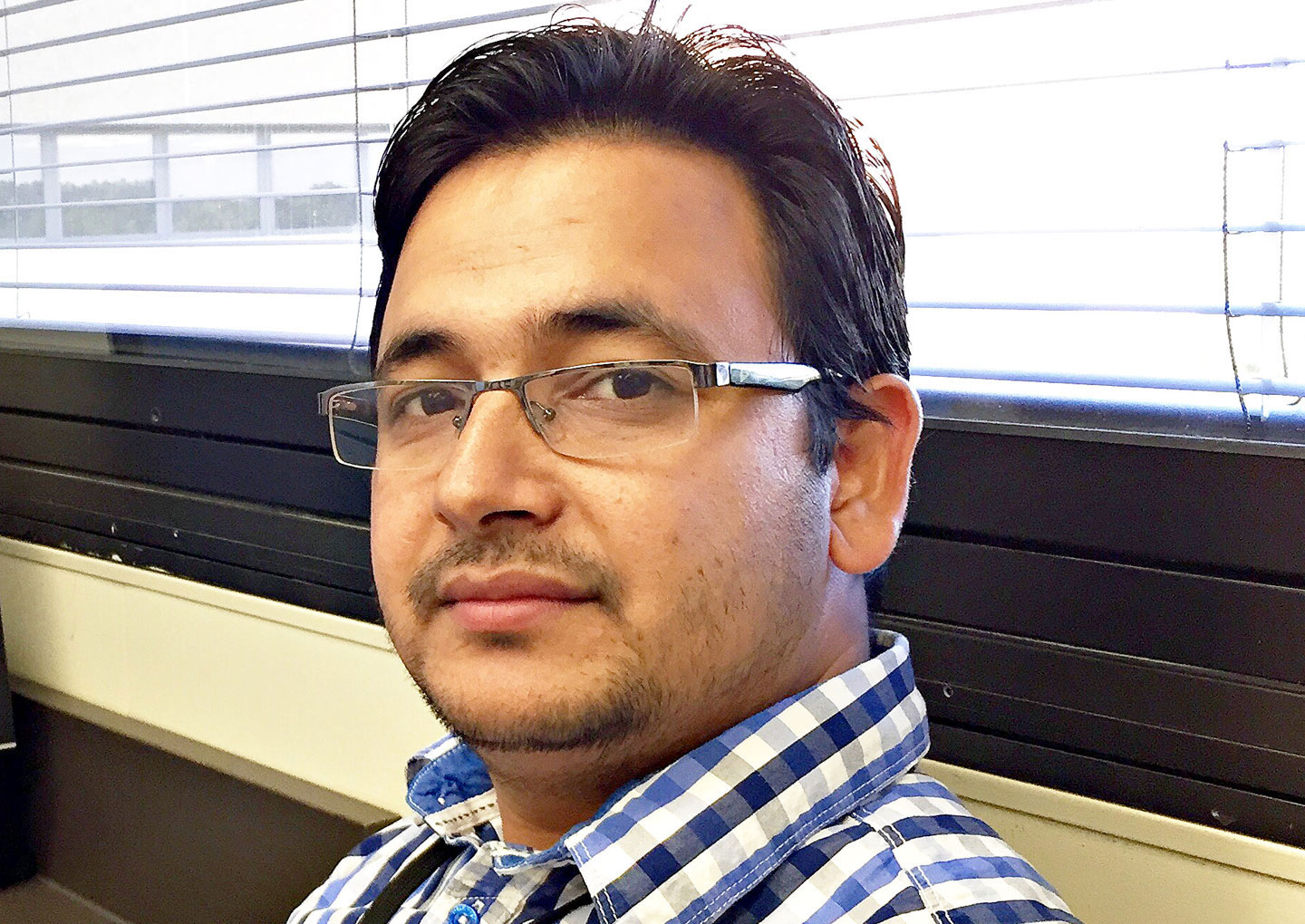
Assistant Professor, UT MD Anderson Cancer Center
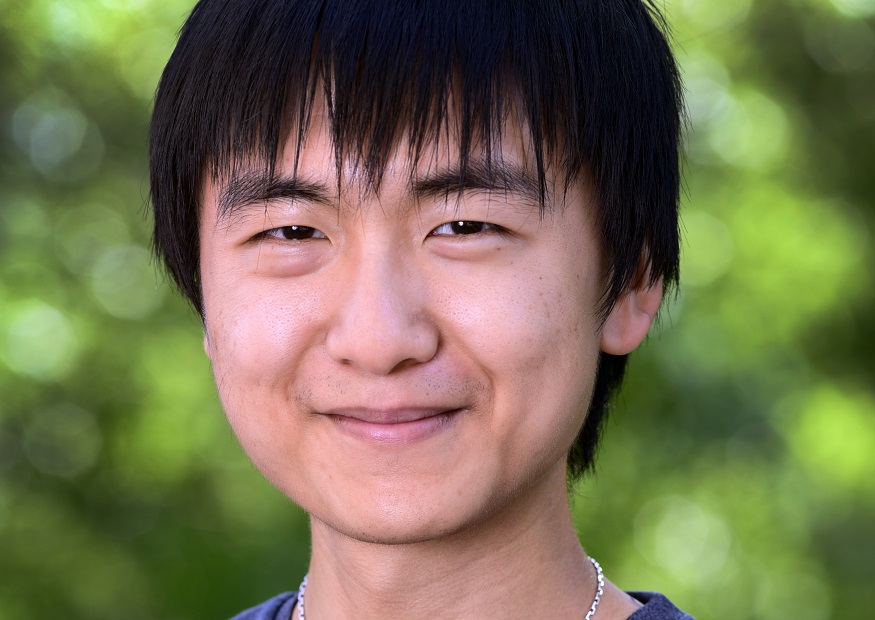
Ph.D. Student in the Weill Cornell Tri-Institutional Program in Bioinformatics and Computational Biology
.
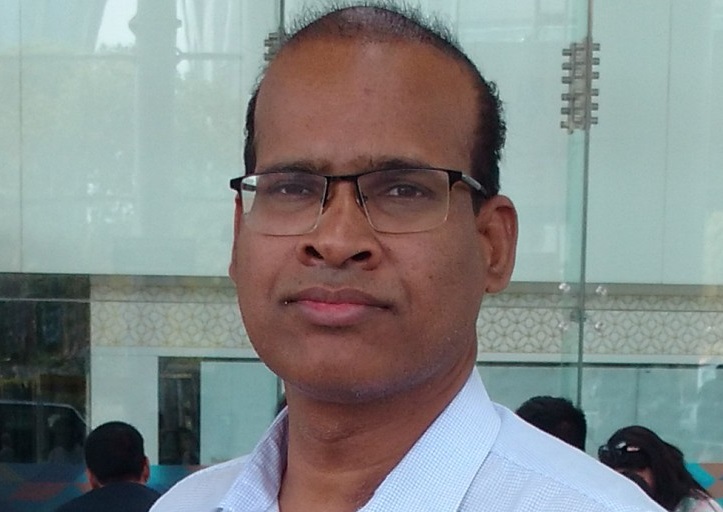
Assistant Professor at All India Institute of Medical Sciences, Bibinagar, Hyderabad, India
Postdoctoral Fellowships are immediately available in the Jothi Lab at the National Institute of Environmental Health Sciences (NIEHS), National Institutes of Health (NIH) to study mechanisms of gene regulation in embryonic and cancer stem cells. Dr. Jothi's group is interested in understanding how transcription regulators and chromatin modifications regulate gene expression programs during cellular development and differentiation. Successful candidates will undertake exciting new projects in the general areas of Epigenetics and Stem Cell Biology (or) Computational Biology.
Qualifications: Candidates should have obtained a Ph.D. or M.D. degree in Biological or Computational Sciences within the last 5 years. For laboratory positions, the candidate should have a strong background in molecular biology and/or protein biochemistry; experience in stem cell biology, development, chromatin immunoprecipitation (ChIP) or RNAi is highly desirable. For Bioinformatics positions, the applicant should possess extensive programming skills; candidates with experience in the application of computational methods to high-throughput genomic and/or proteomic data are highly desirable. Excellent communications skills and ability to work with a highly interactive interdisciplinary team of researchers are essential.
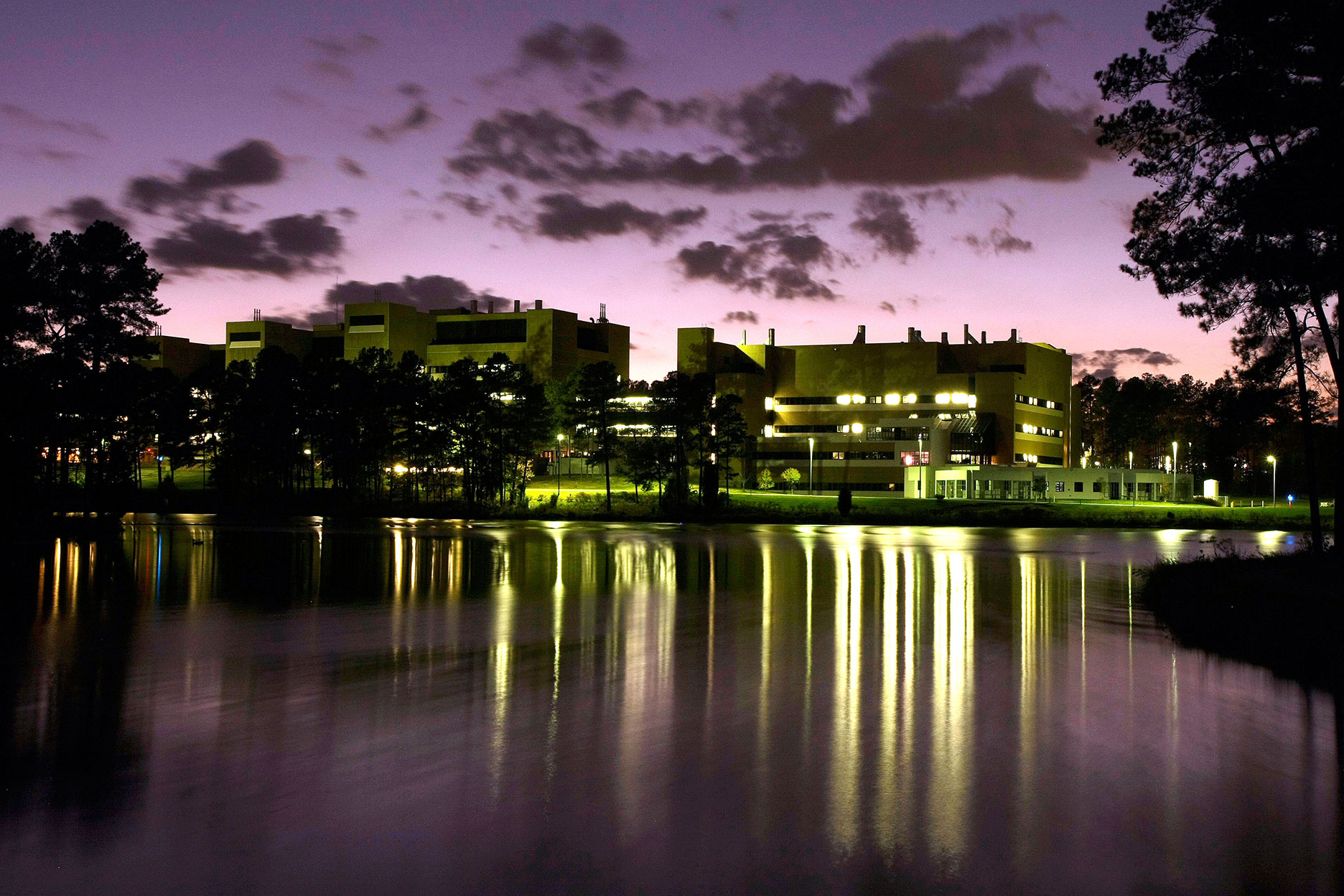
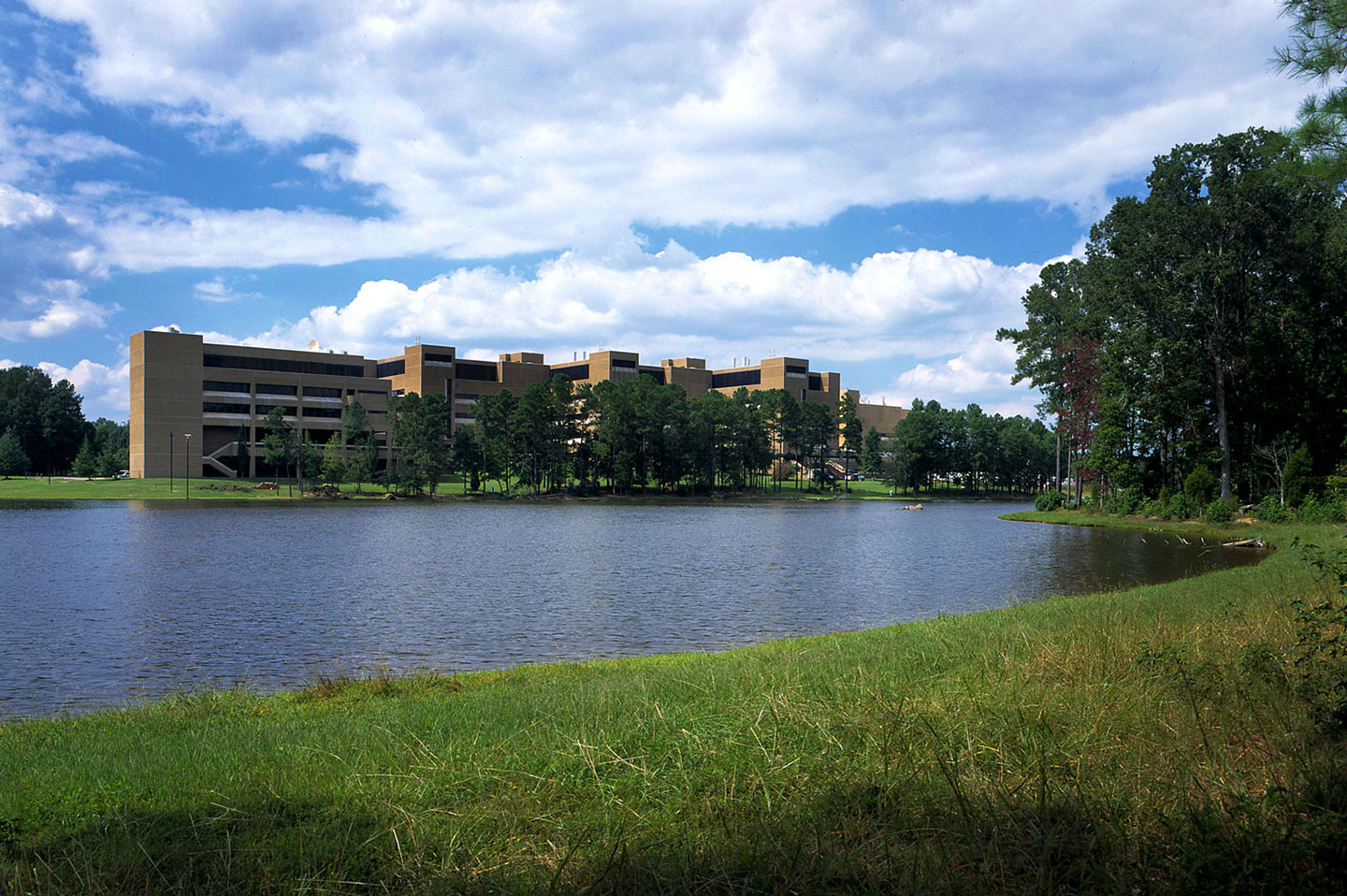
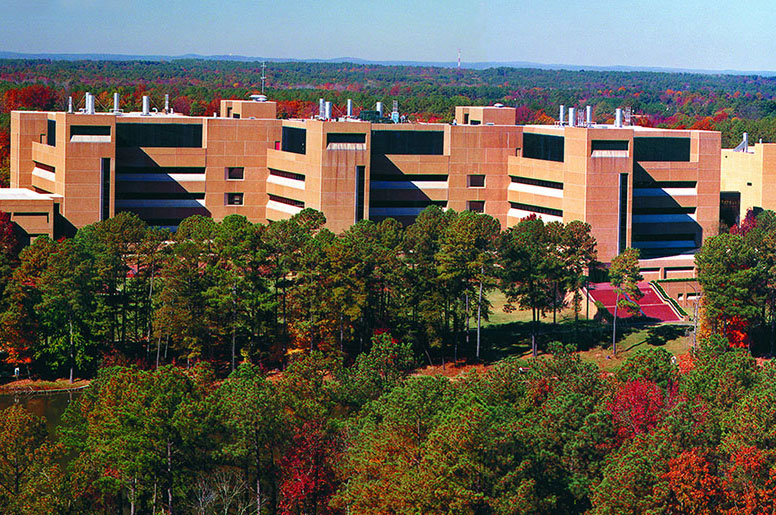
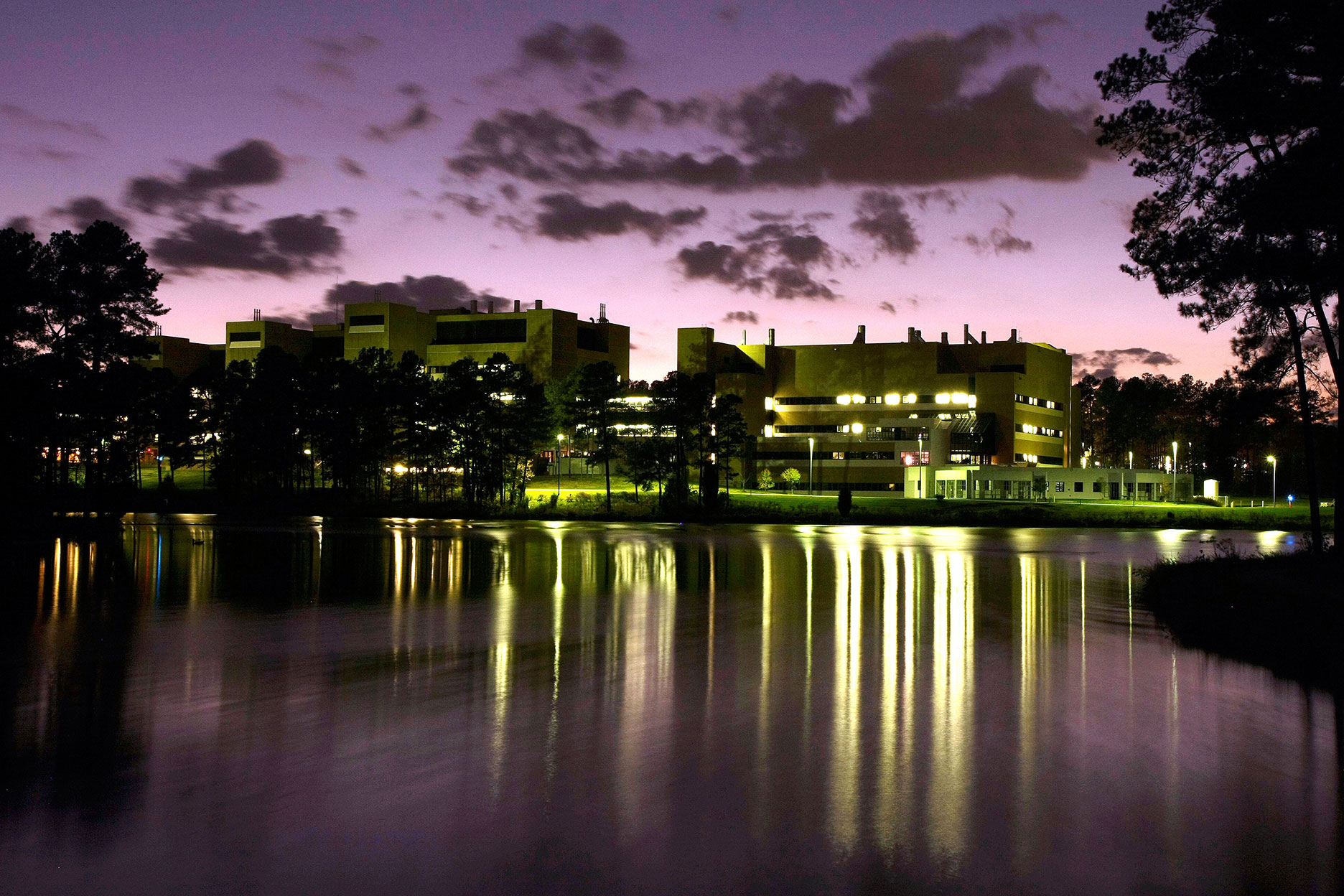
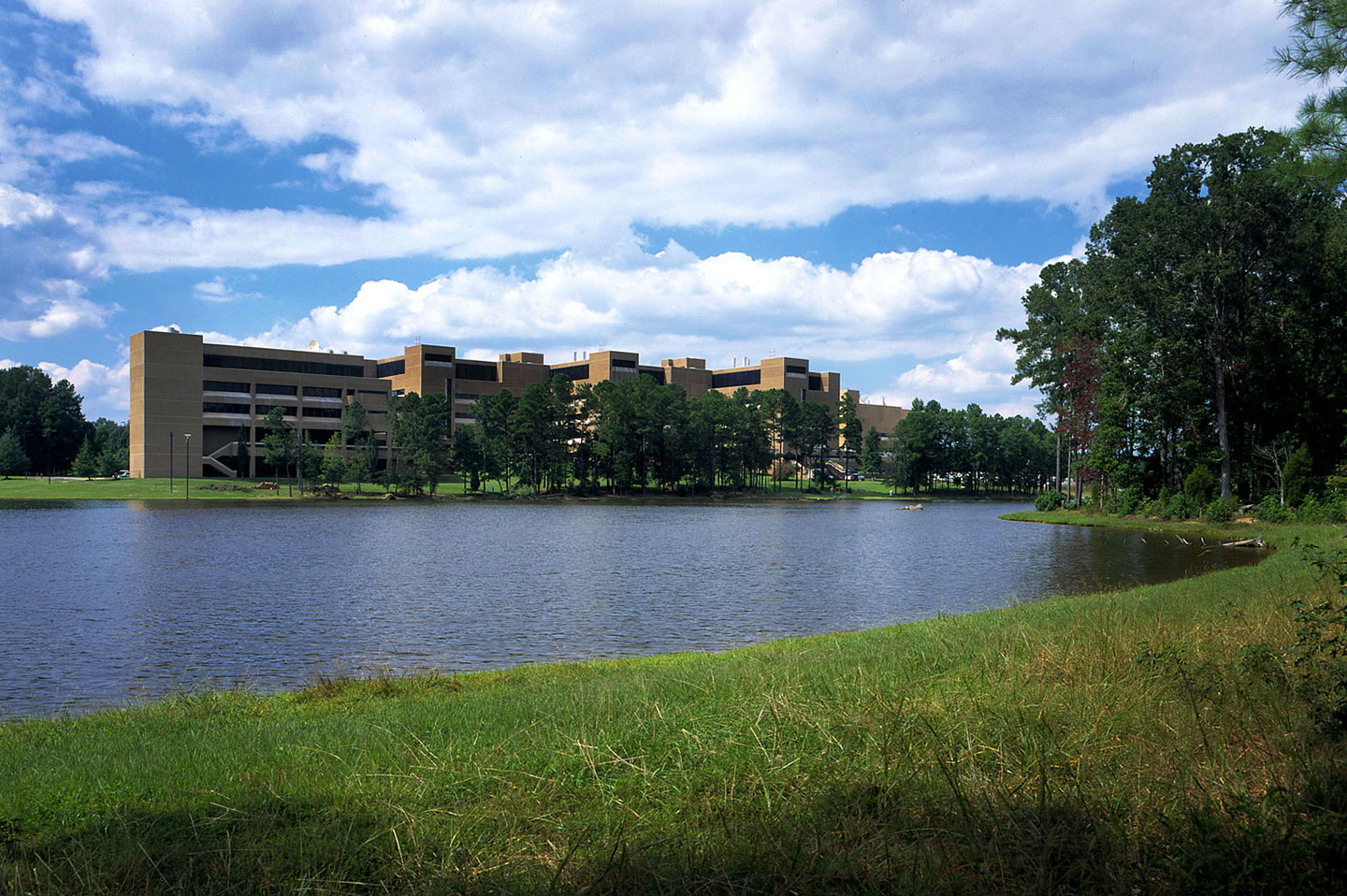
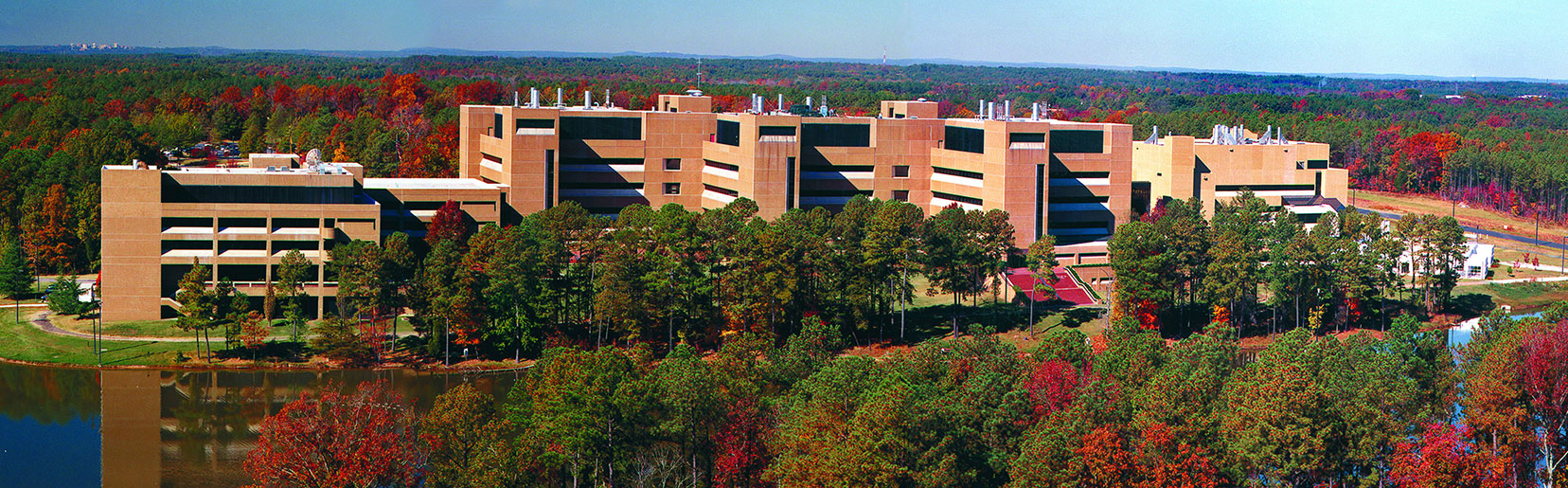
Location: NIEHS main campus in the Research Triangle Park (RTP), North Carolina. The RTP is the largest research park in US, located in the Raleigh, Durham, Cary, and Chapel Hill metropolitan area and is within driving distance to Duke University, University of North Carolina-Chapel Hill, and North Carolina State University.
Pay & Benefits: Successful candidates will be offered competitive stipend/salary commensurate with number of years of postdoctoral experience and accomplishments.
To Apply: Please send CV and the names of three references via email to Dr. Raja Jothi